How to Handle Storm Damage Roofing Issues in Northern Florida
Understanding the Impact of Severe Weather on Your Roof
Living in Northern Florida means dealing with a climate that can shift from calm to severe in a short time. Storms bring heavy rain, strong winds, and sometimes hail. Each of these elements can cause different types of damage to a roof. Knowing what to look for and how to respond is the first step in protecting your home or business. The goal is to address problems quickly before they lead to more extensive repairs or interior water damage.
After a storm passes, many property owners feel uncertain about the condition of their roof. Some damage is obvious, like a fallen tree or missing shingles. Other damage is hidden, such as small punctures or loosened flashing. This is where a thorough inspection becomes important. Waiting too long can turn a minor issue into a major leak. Understanding the basics of storm damage roofing helps you make informed decisions about what to do next, whether that involves temporary fixes or a full replacement.
Common Types of Storm Damage
Wind Uplift and Shingle Damage
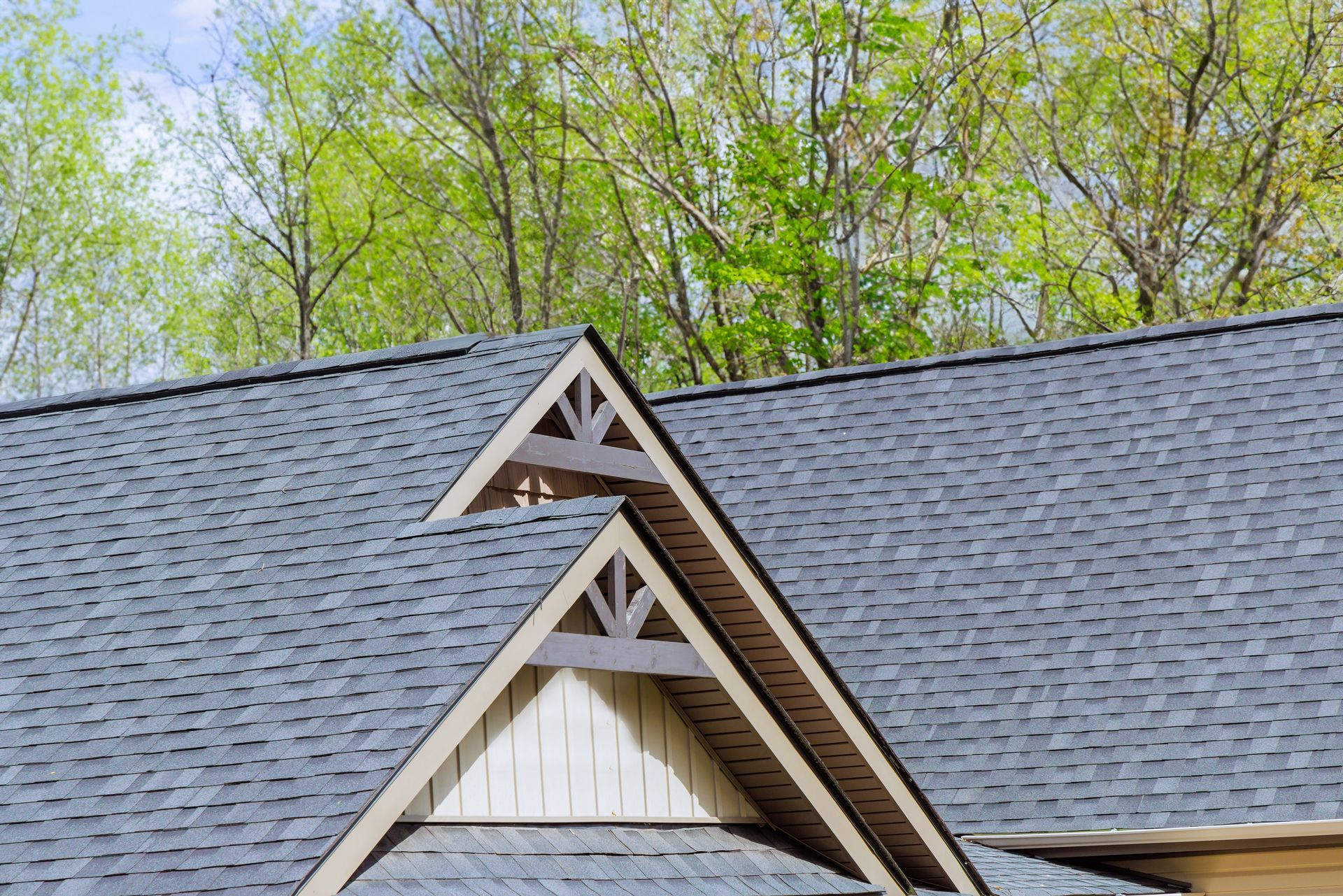
High winds can lift shingles or tiles, breaking the seal that keeps water out. This is known as wind uplift. Even if a shingle looks intact, the adhesive or nails underneath may be compromised. Over time, these loose shingles can be pulled off entirely during the next storm. Shingle damage is one of the most frequent issues after a hurricane or severe thunderstorm. When shingles are missing or cracked, the underlayment is exposed to rain and sunlight, which accelerates wear.
Hail Damage
Hailstones can dent metal roofs, crack asphalt shingles, and even damage tile. The impact may not cause an immediate leak, but it creates weak spots. These weak spots can become leaks during the next heavy rain. Hail damage is sometimes hard to spot from the ground, so a close inspection is recommended. Look for dimples in metal or small craters in shingles. If you suspect hail damage, getting an expert to check the roof is a smart move.
Roof Leaks and Water Intrusion
Water can enter through the smallest gaps. After a storm, a roof leak might appear as a stain on the ceiling or as dripping water. Leaks often occur at the seams where different roof sections meet, around chimneys, or near vents. The longer water sits in the roof deck, the more likely it is to cause rot or mold. Catching a leak early can save you from a more costly repair down the line.
Immediate Steps After a Storm
Safety comes first. Do not go onto the roof during or immediately after a storm. Wait until conditions are safe and the weather has cleared. Look for obvious signs of damage from the ground: missing shingles, sagging areas, or debris on the roof. If you see a large branch or tree limb resting on the roof, do not try to remove it yourself. Call a professional who can assess the situation without causing further harm.
If there is an active leak, place a bucket or tarp inside to catch water. For temporary protection, some homeowners consider tarp installation over the damaged area. This can help prevent water from entering until a permanent repair is made. However, tarp installation is a temporary measure. It is not a substitute for a proper repair. The tarp must be secured correctly to avoid wind catching it and causing more damage.
Why Professional Inspection Matters
A professional inspection can uncover issues that are not visible from the ground. Inspectors check for hidden damage like compromised flashing, loose nails, or weakened decking. They also look for signs of wind uplift that might not be obvious. An inspection report gives you a clear picture of what needs to be repaired and what can wait. This is especially helpful when dealing with insurance claims, because you have documented evidence of the damage.
Many property owners wonder whether they should repair or replace their roof after a storm. The answer depends on the extent of the damage, the age of the roof, and the type of material. A professional can help you weigh these factors. For example, if the roof is close to the end of its expected life and the storm caused significant damage, a roof replacement might be more cost-effective than multiple repairs. On the other hand, if the damage is limited to a small area, a targeted repair is usually sufficient.
Navigating Insurance Claims
After a storm, filing an insurance claim is a common step. Document the damage thoroughly with photos and notes. Keep records of any temporary repairs you made, such as tarp installation, because these may be reimbursable. Your insurance policy likely covers storm damage, but it helps to understand your deductible and coverage limits. An adjuster will inspect the property and determine the payout. Having a professional inspection report can support your claim and ensure you receive fair compensation.
One aspect of storm damage roofing that many people overlook is the importance of acting quickly. Insurance policies often have time limits for filing claims. Waiting too long can result in a denial. Also, the longer a leak goes unrepaired, the more likely it is to cause secondary damage, such as mold or structural rot. These secondary issues may not be covered by a standard policy. So prompt action protects both your home and your finances.
Long-Term Prevention and Maintenance
Preventing storm damage is not always possible, but regular maintenance can reduce the risk. Keep gutters clean so water drains properly. Trim tree branches that hang over the roof. Check for loose or damaged shingles before storm season begins. These small steps can make a big difference when a storm hits.
If you live in an area prone to high winds, consider upgrading to impact-resistant shingles or using additional fasteners. Metal roofs can be treated with coatings that resist hail damage. While no roof is storm-proof, choosing durable materials and maintaining them well gives you the best chance of avoiding major issues.
When to Call a Professional
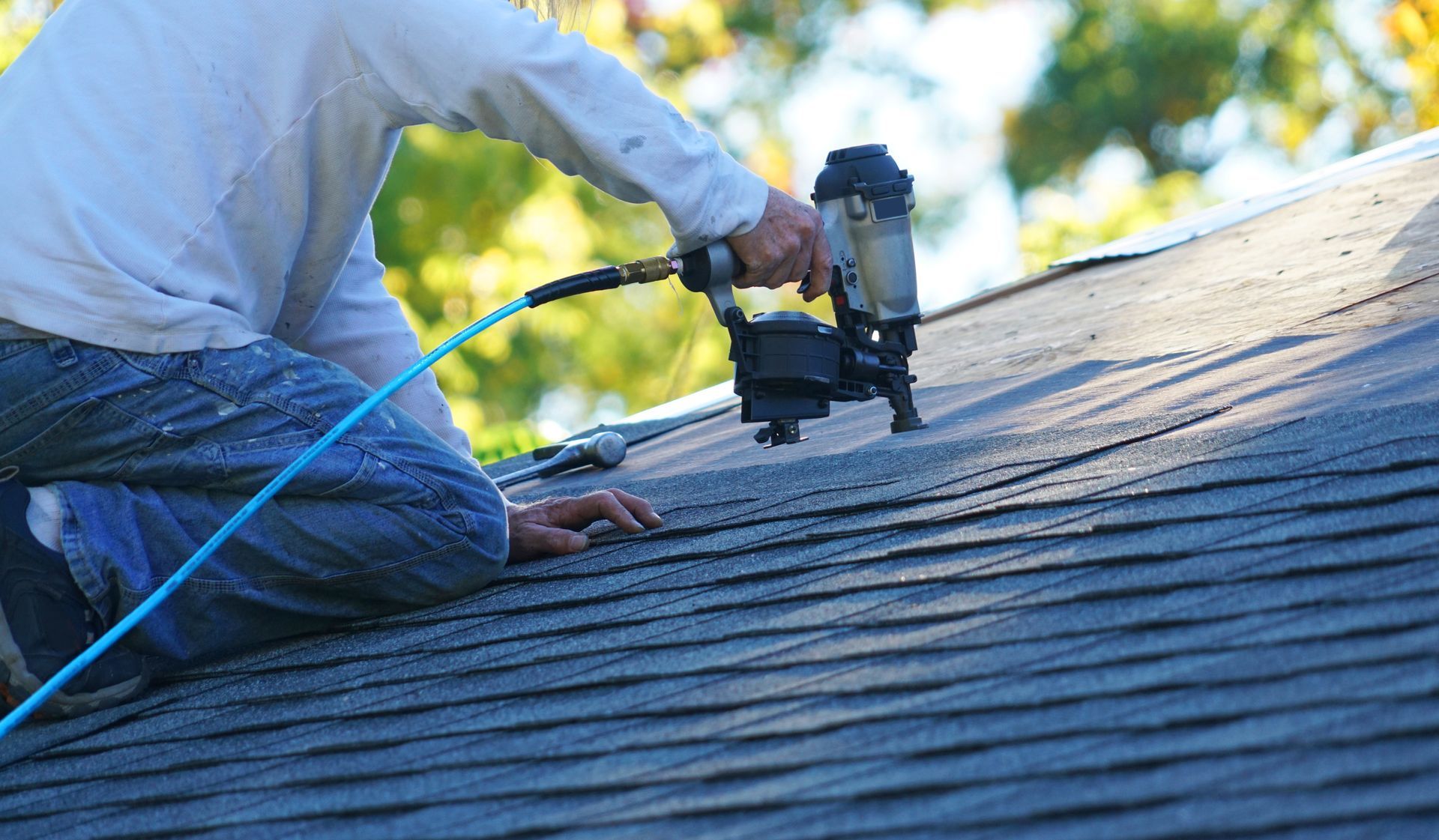
Some tasks, like clearing debris from the yard, are safe to do yourself. But anything involving the roof itself is best left to trained professionals. Climbing a roof is dangerous, especially after a storm when surfaces are slippery or weakened. Professionals have the right safety equipment and know how to spot hidden hazards. They also have access to commercial-grade materials and can ensure repairs meet local building codes.
If you notice any of the following signs, it is time to call a roofer: missing or curled shingles, granules from asphalt shingles in the gutters, sagging areas on the roof deck, or water stains on interior ceilings. These are indicators that the roof has been compromised. A professional can perform a thorough inspection and recommend the best course of action, whether that is a simple repair or a complete roof replacement.
Conclusion
Storms are a fact of life in Northern Florida, but the damage they cause does not have to be overwhelming. By understanding the common types of damage, taking immediate safety steps, and seeking professional help when needed, you can protect your property and extend the life of your roof. The key is to stay proactive. Regular inspections and maintenance can catch small problems before they become big ones. And when a storm does hit, a calm, informed response will save you time, money, and stress.